

Great Glassware Goes A Long Way
Types of Glassware
Vintage-inspired pieces echo past decades with charming patterns, soft hues, and nostalgic silhouettes. Whether reminiscent of Depression glass, mid-century barware, or classic milk glass, vintage-inspired glassware appeals to those who desire the beauty of older eras in pieces that bring character and charm to the dining table.
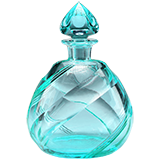
Handblown glass is valued for its artistry and individuality. No two pieces are exactly alike, with subtle variations in shape, bubbles, or color that highlight the maker’s technique. This style attracts collectors who appreciate craftsmanship and the uniqueness that comes from glass shaped entirely by hand.
The Modern Take focuses on sleek lines, bold shapes, and innovative textures that define modern glassware. These pieces are often minimalistic yet striking, leaning into contemporary aesthetics. They appeal to those who are looking for a functional design that still feels artful and current.
Fine Dining glassware is made with precision and high-quality materials. These glasses are designed for elevated dining experiences – think crystal wine glasses, cut-glass tumblers, or elegantly etched champagne coupes. Fine-dining glassware is prized for its clarity, balance, and timeless elegance.


Very Rare Tiffany Favrile Glass Bowl Signed L.C.T.

American Brilliant Cut Glass Collection

French Portieux Vallerysthal Blue Opaline Blown Glassware Decanter with Cordials

Steuben Etched Glassware for "USS Williamsburg" Presidential Yacht, Mid-20th C.

Value and Condition Assessment
Whether you’re collecting or simply curating pieces for your home, the condition of glassware plays a major role in its appeal.
Incomplete Sets rarely draw interest, as collectors typically seek full, cohesive sets. Missing pieces, inconsistent patterns, or differences in size or brand can greatly reduce appeal. Even complete sets may struggle unless they showcase notable design.
Mass-produced glassware is created for everyday use. High production numbers mean these pieces are widely available and usually less valuable. Exceptions occur when early examples of a now-iconic style or brand become trendy again.
Condition plays a major role in valuation. Collectors assess clarity, weight, and the presence of maker marks. Small flaws like surface scratches and residue can affect value negatively, while pristine pieces with detailing and no damage will remain highly desirable.
Market Demand also affects value. Interest in certain eras, colors, or makers can shift based on trends, design styles, or renewed appreciation for vintage pieces. Staying aware of current preferences helps both buyers and collectors navigate a changing market.


Caring for Vintage Glassware
Owning beautiful glassware is only half the journey; preserving its clarity and structural integrity is the other. Proper maintenance ensures that whether you’ve inherited mid-century tumblers or invested in handblown art, your pieces remain centerpiece-worthy for years to come.
While modern glass can often handle the dishwasher, vintage and fine pieces require a gentler touch. Dishwasher detergents are abrasive and can cause permanent clouding, while rapid temperature shifts may cause delicate glass to crack. It is best to use lukewarm water and mild soap in a sink lined with a towel to prevent chips if a glass slips.
If your vintage finds appear foggy, a thirty-minute soak in warm water and white vinegar can often dissolve mineral buildup. When cleaning, always use soft sponges rather than steel wool or scouring pads, as these leave permanent micro-scratches that dull the surface and trap dirt over time.
To achieve a professional sparkle, air-dry your glasses upside down on a lint-free towel before buffing them with a microfiber cloth. When polishing stemmed pieces, cradle the bowl in your hand rather than holding the base; twisting the glass by the stem is a common cause of accidental breakage.
Finally, store your collection mindfully by avoiding “nesting” or stacking glasses that aren’t designed for it. If you store them rim-down to keep out dust, use a soft shelf liner to protect the edges. This prevents “flea bites,” the tiny, jagged chips that can ruin the smooth finish of an otherwise perfect piece.